Table of contents
- Why Your Numbers Are Speaking Before You Do?
- Influencer Credibility: The Nigerian Factor That Brands Keep Getting Wrong
- Why Pidgin Posts Outperform Polished English?
- The Quiet Trust Signals Naija Buyers Are Scanning
- Engagement Quality Over Quantity: What Real Conversations Do to Brand Perception in Nigeria
- Final Thoughts
- Frequently Asked Questions
There’s an old Yoruba proverb that says, “Ile l’aṣo, eniyan l’aso ile”, roughly translated as, your home is your clothes; your people are your home’s clothing. In today’s Nigeria, your brand’s social media profile is your clothes.
And trust me, Naija people will judge that outfit before they even say hello. In 2024, a Statista report confirmed that Nigeria has over 35 million active social media users, a number growing faster than Aso Rock changes spokespeople.
The moment a potential customer lands on your page, the verdict is forming, and most times it’s delivered before your first DM. Welcome to the era where social media perception either makes or breaks your brand in Nigeria.
Understanding how Nigerian social proof brand trust works is not just nice-to-know knowledge, it is survival knowledge. From Instagram trust signals for Naija buyers to the subtle way your grid aesthetics predict purchases, every pixel of your profile is communicating something to your audience. The question is; what exactly is your profile saying right now?
In this article, we’ll walk you through the five core pillars of social media brand perception in Nigeria and, more importantly, how you can master each one.

Why Your Numbers Are Speaking Before You Do?
In Nigeria, your follower count, like count, and comment section are basically your CV. Before a buyer trusts your brand, they are scanning for Instagram trust signals and local reviews that shape brand opinion. It’s the reason a shop with 200 followers feels sketchy while one with 12K feels credible, even if their products are identical.
A 2023 Nielsen Consumer Trust Index revealed that 88% of consumers globally trust peer recommendations over brand advertising. In Nigeria, that number cuts even deeper because Nigerians are naturally communal buyers, ‘If my person no buy am, e no dey safe.’ The social proof perception priority here isn’t just about vanity metrics. It’s about follower quality perception, the depth of real engagement, and whether your comment section looks like actual humans talking or a bot convention.
Here’s what separates credible brands from the noise: real comments that go beyond ‘Nice post 🔥’ and ‘Follow back?’ Those conversations signal authenticity, especially to the discerning Lagos buyer who has been scammed one too many times on Instagram. Want to understand exactly what your audience judges before they decide? Read Your Audience Are Watching: Hidden Signs Customers Judge Your Brand for a deeper breakdown.
Influencer Credibility: The Nigerian Factor That Brands Keep Getting Wrong
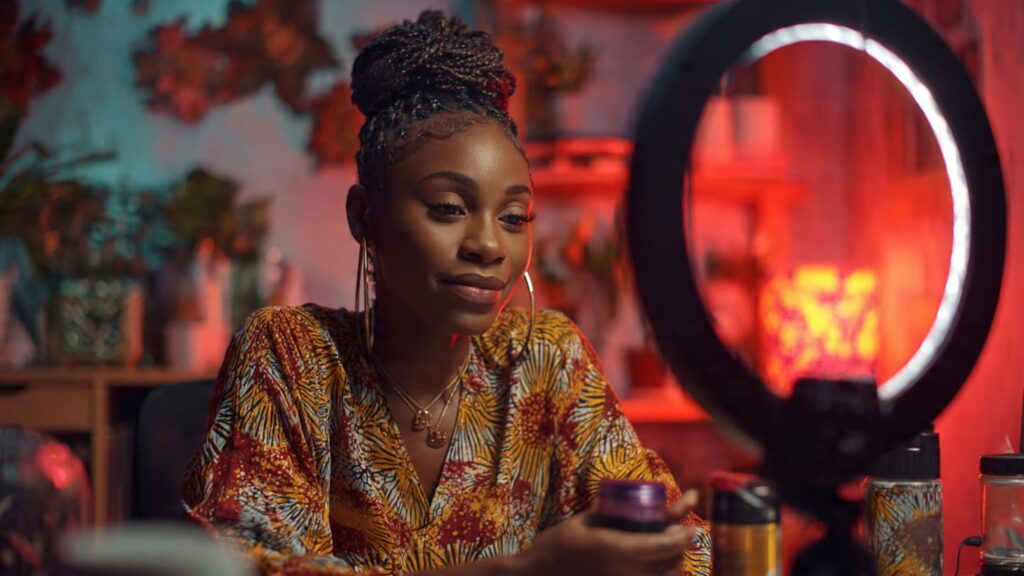
Not every influencer with 500K followers is going to move product for your brand in Nigeria. And honestly? Some micro-influencers with 8K followers in Ibadan are pulling more conversions than celebrity endorsements from Lagos because influencer credibility for local brands in Nigeria runs on cultural fit and genuine audience trust, not just follower count.
The Naija celebrity endorsement psychology is fascinating. When a Lagos lifestyle blogger recommends a product, their audience doesn’t just hear the recommendation, they inherit the trust relationship that blogger has built over time.
According to a 2024 Influencer Marketing Hub study, micro-influencers generate up to 60% higher engagement rates than mega-influencers. In the Nigerian context, that gap widens further because audiences here demand cultural authenticity.
So when a brand picks an influencer that “doesn’t know the streets” even if they have millions of followers, the audience feels it. The mismatch in cultural language, references, and lived Nigerian experience can tank a campaign quietly.
Cultural fit influencer success isn’t a buzzword, it’s the Nigerian market’s unofficial litmus test. To build this visibility engine the right way, platforms like Sizzle Social help brands connect with the right engagement signals that amplify genuine influencer collaborations.
Why Pidgin Posts Outperform Polished English?
There’s a painful truth some Nigerian brands need to hear: your beautifully curated, grammatically perfect English post is getting less engagement than your competitor’s meme in Pidgin. And that’s not an accident, that’s cultural relevance doing its work.
Pidgin content outperforming English in Nigeria isn’t just a trend, it’s a reflection of how Nigerians actually communicate. A 2022 Africa Digital Media report showed that localized content in Nigerian Pidgin generated 3x more organic shares than English equivalents targeting the same audience. When a brand uses local slang for brand connection in Naija, the audience doesn’t just understand the message, they feel seen.
Think about the brands that have done this brilliantly. Brands that drop occasional Yoruba proverbs, reference NEPA jokes, or tap into a trending Twitter (now X) meme before it goes cold. These brands are perceived as ‘one of us,’ and that perception is priceless.
Lagos meme marketing and Naija proverb brand campaigns create emotional shortcuts that no ad budget can manufacture. And if your content still isn’t reaching the right people despite the cultural relevance game being strong, here’s a smart read on How to Make Your Content Visible to the Right Audience.
The Quiet Trust Signals Naija Buyers Are Scanning
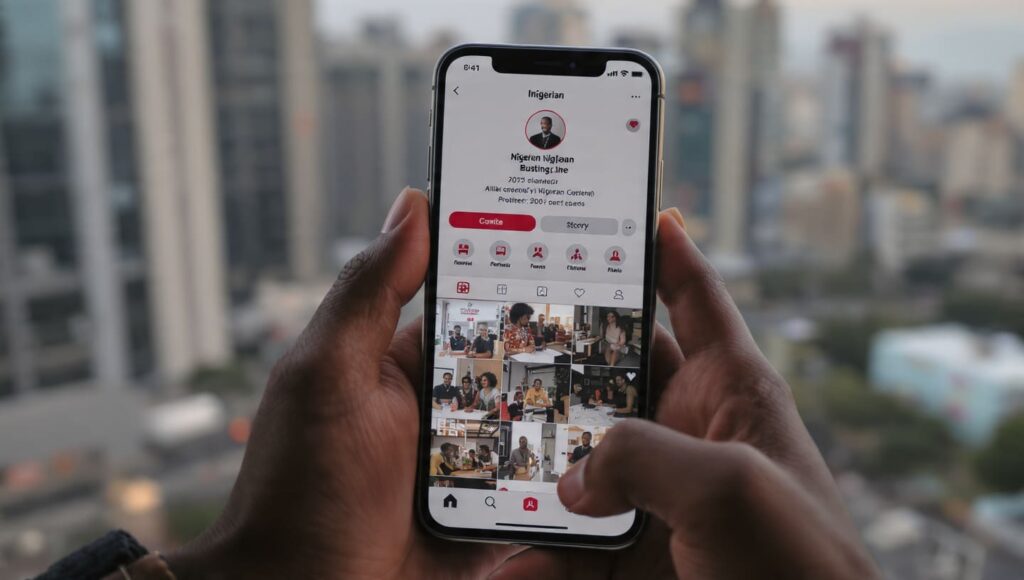
Imagine walking into a shop and there’s no price tag, no shop name, no attendant, and the lights are dim. You’re backing out before you’ve even checked the shelves. That’s exactly how a Naija buyer feels when they land on an incomplete Instagram profile. Profile completeness trust signals are silent deal-makers or deal-breakers, and most Nigerian brands underestimate this.
The checklist is simple but brutal. A complete Instagram profile that converts in Nigeria has: a clear bio with what you sell and how to order, a contact link or WhatsApp CTA, recent story activity (this alone signals you’re still operating), and organized highlights that reveal your product range, reviews, and process.
Highlights reveal business legitimacy, they are your business’s portfolio, visible before a single follow. A 2023 Sprout Social study found that 45% of Instagram users judge a brand’s reliability based on profile completeness before interacting.
Your grid aesthetics also matter more than you think. Grid aesthetics as a purchase predictor sounds extreme, but Naija buyers are visual, and a chaotic grid signals a chaotic operation. Consistency builds confidence.
The best brands also ensure recent stories activity validation, those little circles on your profile header? They silently confirm your brand is alive and active. Don’t sleep on these basics. Check how your content quality stacks up against your visibility goals via Why Your Content Looks Good but Still Gets Low Engagement.
Engagement Quality Over Quantity: What Real Conversations Do to Brand Perception in Nigeria
Here’s a hard pill: 50,000 followers and a comment section full of emojis doesn’t impress a sharp Naija buyer anymore. The perception game in 2026 is about engagement quality over quantity in Nigeria. Meaningful comments build trust in Naija, while fake likes are being spotted from a mile away by an audience that has been burned by countless ghost brands.
The brands winning the trust battle in Nigeria are the ones whose comment sections look like real conversations: people asking follow-up questions, sharing their own experiences, tagging friends organically. This is interaction depth as local brand judgment in action. Additionally, how fast a brand replies is a massive trust signal.
A 2024 HubSpot report stated that 90% of customers expect a response within 24 hours on social media, but in Nigeria, a next-day reply from a brand already feels slow, your audience expects that reply speed brand perception to be near real-time, especially on Instagram DMs and story replies.
The difference between real conversations versus fake likes is the difference between a brand that Nigerian consumers trust and one they scroll past. And if building that authentic engagement feels like shouting into the void right now, you need a proper strategy; starting with understanding What Real Social Media Growth Feels Like in Nigeria.
Better yet, explore how Sizzle Social gives Nigerian brands the active engagement infrastructure they need to build active engagement trust signals at scale, without the shortcuts that damage perception.
Final Thoughts
The Nigerian digital consumer is sharp, skeptical, and swamped with options. But they are also deeply loyal when a brand earns their trust through social media perception done right. From your social proof and influencer choices to your cultural authenticity, profile completeness, and engagement depth, every layer is being evaluated.
The brands that win in Nigeria understand that before they sell a product, they’ve already sold a feeling of trustworthiness.
So the question isn’t whether social media perception shapes your brand’s success in Nigeria. It does. The only question is whether you’re shaping that perception with intention or leaving it to chance. Get the fundamentals right, and the growth follows, because in Nigeria, trust is the product that sells everything else.
Frequently Asked Questions
Nigerian consumers operate in an environment shaped by high-risk purchasing decisions and widespread experience with online scams. This naturally elevates the role of social media perception as a trust filter. Before a buyer engages with your brand, they perform an unofficial due diligence: checking your follower count, reading your comments, reviewing your stories, and assessing your overall profile credibility. Globally, social proof influences roughly 70-80% of purchase decisions, but in Nigeria’s mobile-first, community-driven market, that influence is amplified because trust travels through social networks before money does.
Nigerian buyers look for several key Instagram trust signals before they convert. These include a complete bio with a clear value proposition and contact information, consistent story activity within the past 48–72 hours, organized highlight covers labelled with categories such as Products, Reviews, and Process, a comment section that reflects genuine human interaction, a coherent visual grid, and visible engagement from real followers. Any profile missing two or more of these elements will trigger hesitation in a Naija buyer who has been conditioned to watch for red flags in the online marketplace.
For Nigerian brands, influencer credibility is deeply tied to cultural proximity, meaning how well the influencer reflects the everyday language, lifestyle, and experiences of the target audience. International brands can often rely on aspirational appeal from big-name influencers, but Nigerian brands need influencers who “speak the streets” whether in Pidgin, Yoruba, Hausa, or Igbo. Audiences are quick to detect when an influencer is merely paid to perform enthusiasm versus genuinely recommending something they use. Micro-influencers with 5K–50K followers in niche Nigerian communities often outperform celebrity endorsements in terms of conversion rate and brand perception trust.
Yes, and the data supports it. Content published in Nigerian Pidgin or that incorporates relatable local slang generates significantly more shares, comments, and saves than its English-only equivalent targeting the same audience. This is not about writing poorly; it’s about matching the communication register of your audience. When a brand drops a perfectly-timed Pidgin caption, a Yoruba proverb, or a relatable Lagos meme, it signals cultural intelligence. Audiences reward that authenticity with engagement. The key is to integrate these naturally rather than forcing slang into every post, which can quickly feel patronizing or inauthentic.
Consistency beats frequency in the Nigerian social media landscape. Rather than posting every day with low-quality content, posting four to five times per week with culturally relevant, high-value content produces better brand perception outcomes. More important than post frequency is story activity, showing up in your audience’s story feed daily reinforces the signal that your brand is active, responsive, and trustworthy. Brands that disappear from stories for more than three days are often mentally categorized by Nigerian buyers as inactive or unreliable, even if their main feed is regularly updated.
Follower quality perception refers to how audiences and potential customers evaluate the authenticity of a brand’s followers. In Nigeria, a brand with 50,000 followers but minimal genuine engagement, sparse comments, generic emoji reactions, suspiciously low video views, immediately triggers skepticism. Nigerian buyers have become adept at identifying the telltale signs of purchased or bot followers. Quality followers who actively comment, share content, and mention the brand organically are far more valuable to brand perception than inflated numbers. Maintaining real, engaged followers is the foundation of long-term credibility in the Nigerian market.
Reply speed is a critical but often underestimated brand perception signal in Nigeria. Because a large percentage of Nigerian purchases originate through Instagram DMs, WhatsApp, and comment interactions, a brand’s response time directly impacts whether a potential buyer completes the transaction or bounces to a competitor. Studies show that response within one hour dramatically increases the probability of conversion. In Nigeria, where mobile usage is high and buyers often compare multiple vendors simultaneously, a slow reply is read as disinterest, poor organization, or worse, another potential scam. Fast, warm, and helpful responses build the emotional confidence that drives Nigerian consumers to purchase.
Absolutely, and in many cases small Nigerian brands have the advantage of agility. Bigger brands often struggle to respond quickly, adapt culturally, or engage with their audience personally, areas where smaller brands can excel naturally. By focusing on profile completeness, authentic storytelling, consistent engagement, cultural relevance in content, and strategic use of micro-influencers within their niche, small Nigerian businesses can build stronger social media brand perception than competitors with far larger budgets. Trust in the Nigerian market is not about scale; it’s about authenticity, responsiveness, and social proof that resonates locally.
Instagram highlights serve as the always-visible storefront of a brand profile, and Nigerian buyers use them heavily in their trust evaluation. Highlights labelled with product categories, customer reviews, order processes, before-and-after results, and brand FAQs reduce the cognitive load of a buyer trying to decide whether to trust the brand. Well-organized highlights signal that a brand is professional, transparent, and invested in their customer experience. Brands without highlights, or with outdated and disorganized ones, create the equivalent of a shop with darkened windows, Nigerian buyers will walk past.
Improving engagement quality authentically begins with creating content that invites response rather than passive consumption. This means asking direct questions in captions, creating polls and quizzes in stories, featuring user-generated content, and responding thoughtfully to every meaningful comment. Brands that participate in trending Nigerian conversations in their niche, whether on Twitter/X, TikTok, or Instagram, also attract organic engagement from aligned audiences. Collaborating with relatable micro-influencers, running community giveaways with real participation criteria, and leveraging platforms like Sizzle Social for targeted growth strategies can substantially improve engagement quality without compromising authenticity or brand perception.