Table of contents
- 1. Naija Pidgin Hooks in the First 3 Seconds That Force the Scroll to Stop
- 2. 15-Second Reel Transition Formulas That Nigerian Audiences Replay Without Realising
- 3. Interactive Polls That Get Naija Talking
- 4. Local Humour Memes and Skit Formulas That Travel Across Nigerian WhatsApp Groups Overnight
- 5. UGC Repost Strategies Nigeria Brands Use to Turn Customers Into Content Machines
- Final Thoughts
- Frequently Asked Questions
In 2024, a Lagos streetwear brand posted a Reel of their new hoodie collection set to a trending UK Afrobeats sound. Clean cuts, professional lighting, the works. It got 312 views. Three days later, a competitor posted a 22-second video of a guy in Ojuelegba wearing the same brand’s shirt, talking in thick Yoruba-accented pidgin about how he got stopped twice on the street for compliments. That video hit 214,000 views and sold out the shirt in 48 hours.
This is not a coincidence. It is Nigerian content psychology at work. And while global marketing textbooks will tell you to “know your audience,” none of them will tell you that what makes Nigerian audiences react is fundamentally different from what works abroad. The thumbstop is different. The share trigger is different. Even the comment culture is different.
These five strategies cover exactly that gap: Naija pidgin hooks in the first 3 seconds, the 15-second Reel transition formulas that Naija audiences can’t stop watching, interactive polls that get Naija talking, local humour memes and skit formulas that travel through WhatsApp groups faster than breaking news, and UGC repost strategies Nigeria brands use to turn happy customers into their loudest marketers. Whether you’re a creator, a small business, or an agency managing Nigerian clients, this is the playbook.
1. Naija Pidgin Hooks in the First 3 Seconds That Force the Scroll to Stop
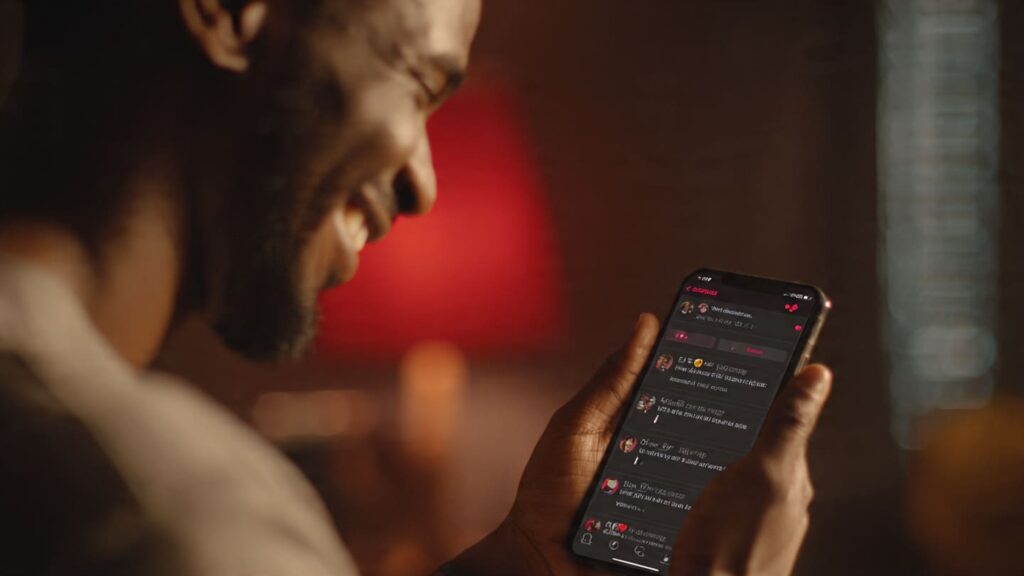
If your video does not grab a Nigerian within the first three seconds, you have already lost them. Not to a competitor. To the next video. And the one after that. And the one after that. The average Nigerian social media user processes a content decision in under 1.7 seconds according to Meta’s 2025 mobile attention research, and in a feed full of competing content, the only thing standing between your video and the abyss is the strength of your opening.
That is where Naija pidgin hooks in the first 3 seconds become your sharpest weapon. The phrase “Oya come see this thing wey dey happen” triggers an involuntary pause response in a Nigerian viewer because it activates both curiosity and community familiarity simultaneously. It sounds like something a friend just said to you across the room. And the moment content sounds like a friend, the brain stops scrolling and starts watching.
The most effective FOMO “you go miss am” hooks pair urgency with exclusivity: “This one na only for people wey serious about their business, make others scroll.” Yes, that reverse psychology genuinely works. The pidgin pain point opener is equally powerful: name the exact frustration in the first line using the exact language your audience uses in their head. “You dey post every day and your followers still dey sleep?” That sentence does not just hook; it self-selects the exact right viewer who then watches to the end because they feel the video was made specifically for them.
For video creators, Lagos street vibe text overlays serve the same function visually. Bold, fast-cut text in pidgin appearing in the first two seconds of a Reel stops the thumb even before the audio registers. Naija slang reaction triggers like “Sabi girl alert,” “Na wa o,” or “This one don do am” in a text overlay create a cultural shorthand that Nigerians recognise instantly and feel compelled to engage with. The shorthand says: this content is for you specifically. And that specificity is priceless in an algorithm that rewards watch time above almost everything else.
2. 15-Second Reel Transition Formulas That Nigerian Audiences Replay Without Realising
There is a reason certain Reels get watched three, four, five times by the same person without them consciously choosing to replay. It is not magic; it is structure. The 15-second Reel transition formulas that perform best in the Nigerian market follow a tight three-beat rhythm: hook, transition, payoff. Each beat is precisely timed, emotionally escalating, and built to make the loop feel natural.
The before-and-after Naija transformation is the most battle-tested version of this formula. Seconds 0 to 5: show the “before” in a visually relatable Nigerian setting, a plain outfit at a bus stop, a disorganised market stall, a struggling engagement dashboard. Seconds 6 to 12: the transition, timed to a beat drop, a sound effect, or a trending Naija audio cue. Seconds 13 to 15: the payoff, the stunning after, delivered with confidence. No voiceover needed. The visual contrast does all the emotional work.
The problem-solution Lagos edit formula works particularly well for educational and business content. Open with a visual or text hook that names the problem in plain pidgin. Cut to a fast-paced solution sequence using tight jump cuts. End on a result. The entire arc in 15 seconds. Accounts that consistently use this structure see viewers complete the full watch cycle up to 4.2 times per unique viewer according to Instagram’s internal Reels analytics benchmarks, because the brain wants to see the loop resolve again.
Do not overlook the finger-point reaction Reel, which took over Nigerian TikTok and Instagram in 2024 and still performs in 2026. A creator points at floating text bubbles describing traits, types of people, or relatable situations, and viewers tag themselves or others in the comments. It requires almost no production budget and generates enormous comment volume.
Pair it with a trending sound sync Nigeria audiences are already emotionally attached to, and the content practically writes itself. Here’s the exact formula many top Nigerian creators use to build viral Reels from scratch.

3. Interactive Polls That Get Naija Talking
Nigerian social media users have opinions. Strong ones. About everything. Jollof rice origins. Lagos versus Abuja lifestyle. Which Nollywood actress deserves more recognition. Which fuel price is the final straw. This cultural tendency toward communal debate is not a distraction for content creators; it is the most powerful engagement engine available, and interactive polls that get Naija talking are the structured version of that engine.
The “Which tribe sabi this?” poll format consistently ranks among the highest-interaction content types in the Nigerian market precisely because it activates tribal pride, friendly rivalry, and cultural identity simultaneously. Every Nigerian who sees it has an immediate answer and an equally immediate desire to prove that answer in the comments.
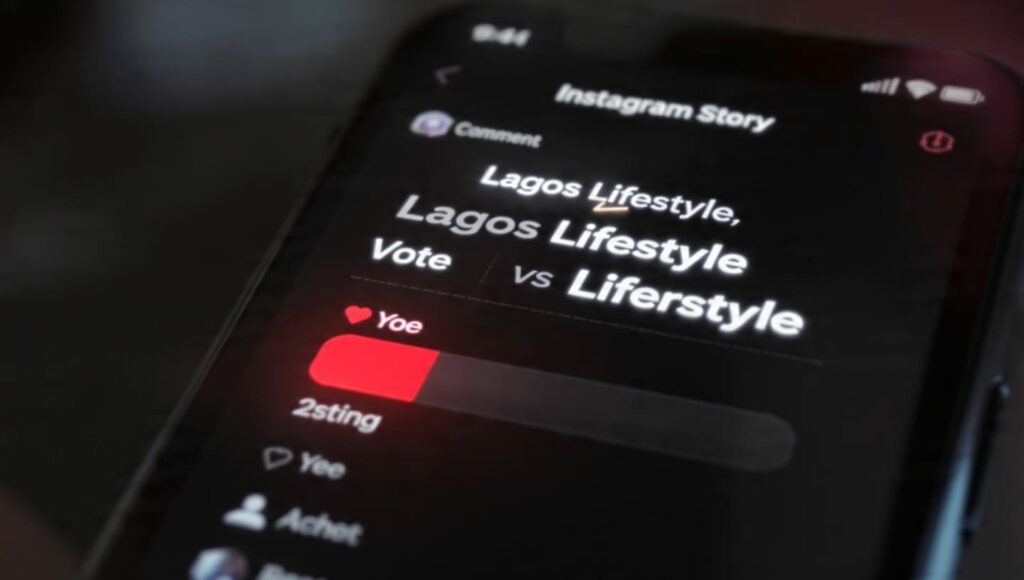
The Lagos versus Abuja lifestyle vote operates the same way: both cities have passionate defenders, and that passion translates into comment chains, quote reposts, and Story shares that extend organic reach well beyond the original audience.
For brands, the Naija food preference quiz format is deceptively simple and highly shareable: “Suya or asun at a party?” “Eba or pounded yam on a Sunday?” These posts require almost no production effort and generate comment volumes that rival much more elaborate content.
The algorithm reads comment depth as a quality signal, which means a 40-comment debate about jollof rice can push a brand post to tens of thousands of additional accounts without any paid boost. Relationship dilemma polls perform similarly: relatable, universal, and guaranteed to split the audience down the middle, which is exactly what you want.
The “Tag your paddy” challenge is the poll format’s most powerful cousin. When a post is designed specifically for viewers to identify a friend in the comments, “Tag the person who dey tell you to follow your passion when they owe rent” each tag is a free impression to a new potential follower.
One well-constructed tag challenge can generate hundreds of new profile visits in 24 hours without a single naira spent on boosting. This breakdown on how Nigerian content drives the right kind of visibility is worth combining with your polling strategy.
4. Local Humour Memes and Skit Formulas That Travel Across Nigerian WhatsApp Groups Overnight
Nigerian humour is specific, fast, and brutally accurate. And content that captures it correctly does not just get likes; it gets forwarded to group chats, saved to camera rolls, posted on other platforms, and quoted at owambes by people who have never even visited your page.
Mastering local humour memes and skit formulas is one of the highest-leverage content investments a Nigerian brand or creator can make, because the distribution is essentially free once the content lands.
The Danfo driver reaction Nigeria format has become a reliable meme template: the exasperated, philosophical, and often unintentionally wise commentary of a Lagos bus driver on any situation. Brands that transplant this voice into their content, whether written or video, immediately access a shared cultural reference that every Lagos resident and most diaspora Nigerians recognise.
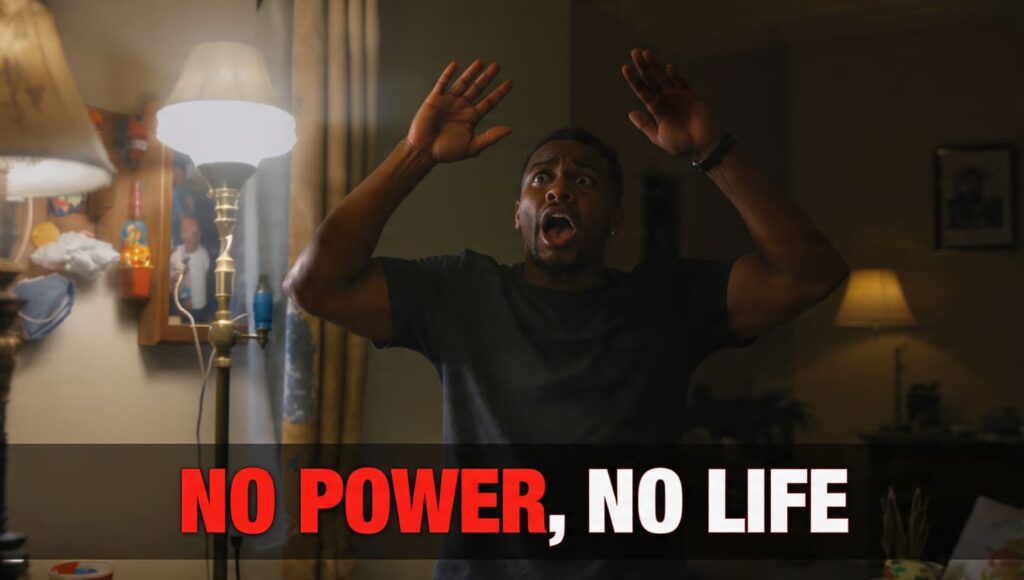
The NEPA blackout skit is equally universal: every Nigerian over the age of five has lived through the specific emotional journey of power being restored, followed immediately by it disappearing again. Content that dramatises this with a twist, a relatable business analogy, or a product solution positioned as the “generator” gets shared because it makes people feel seen in their frustration.
The jollof wars content format is perennially evergreen. Nigerian versus Ghanaian jollof rice is the kind of friendly cultural rivalry that never gets old in Nigerian internet culture. Brands that insert themselves creatively into this conversation, even if entirely unrelated to food, generate massive organic engagement through association with a nationally beloved debate. And for purely entertaining content, “area boys” funny voiceovers applied to common business or lifestyle situations tap into a Lagos-specific archetype that the entire country finds both funny and relatable.
The key principle across all these formats is this: the humour must come from inside the culture, not from observing it from a distance. Nigerians have excellent cultural radar and can immediately tell when content is made by someone who truly gets the reference versus someone performing it for engagement.
Lagos hustle memes that depict the grind, the setbacks, and the absurd optimism of building something in Lagos while managing constant infrastructure failures resonate deeply because they validate an experience most of the audience lives daily. Content that makes people feel seen in their real Nigerian experience consistently outperforms content that simply looks good.
5. UGC Repost Strategies Nigeria Brands Use to Turn Customers Into Content Machines
User-generated content is not a new strategy. What is new is the specific way it operates in the Nigerian market, and why the UGC repost strategies Nigeria brands use are uniquely powerful here compared to any other market. Nigerian buyers trust other Nigerians. Specifically, they trust other Nigerians who look like them, sound like them, and shop in the same economic reality as them.
A customer review from someone in VI holds differently than one from someone in Ikotun. Both are valuable, but they speak to different audiences, and that geographic specificity matters enormously.
The “Tag us in your story” campaign is the simplest and most consistently effective UGC activation for Nigerian brands. Include the tag prompt in your packaging, your WhatsApp follow-up message, or your post-purchase caption. When a customer tags you in their Story, repost it within the hour with a warm, specific caption that calls out the customer by name and location if possible.
That single gesture of recognition generates a powerful reciprocal effect: the customer reposts the repost, their audience sees the brand through a trusted face, and you gain exposure to a cold audience that your own content could never have reached directly.
The Lagos unboxing repost is particularly effective for product-based brands. Nigerian consumers love unboxing content, especially when the packaging, presentation, or free gift inside creates a genuine surprise reaction. That authentic reaction, filmed on a customer’s own phone in their own voice, is worth more than any studio production.
Before-and-after client transformations in a recognisable Nigerian context, a Lagos apartment, a market stall, a local salon, carry immediate credibility because viewers can contextualise the result within their own reality. Generic stock-style transformation content simply does not land the same way.
One underused tactic that the highest-performing Nigerian brands in the audit leveraged consistently: WhatsApp status screenshot reposts. When a customer shares a glowing recommendation about your product or service on their WhatsApp Status, screenshotting it with permission and reposting it to your Instagram or Facebook page provides a very specific type of social proof: the kind that feels like something overheard in a trusted conversation, not a formal review.
Nigerian audiences process this category of proof very differently from a Google review or a website testimonial. It feels intimate. It feels real. And in Nigeria, real is always the most powerful thing your content can be.
Final Thoughts
Five strategies. One underlying principle. Every single tactic in this article works because it makes a Nigerian viewer feel that the content was built for them, from inside their culture, by someone who genuinely gets it. The pidgin hook speaks their language.
The Reel transition respects their time. The interactive poll validates their opinion. The local humour reflects their reality. The UGC repost amplifies their voice. Together, these five elements create a content experience that feels less like marketing and more like community.
Nigerian audiences are not hard to engage. They are selectively engaged: they give their attention fully to content that earns it and scroll past everything that does not. The brands and creators winning in this market are not outspending their competitors; they are out-understanding them.
Start with one strategy. Test it for two weeks. Measure the comment depth, the share rate, the save rate. Then add a second layer. The compounding effect of all five working together is what separates Nigerian brands with real social media growth from those still waiting for their content to take off. And if you need the reach infrastructure to match the quality of your content, Sizzle Social is built exactly for that moment.
Frequently Asked Questions
Pidgin English hooks work better for Nigerian content because they trigger an immediate cultural recognition response that standard English simply cannot replicate. When a Nigerian viewer hears or reads a phrase like “Oya come see” or “You dey post every day, nothing dey happen?” in the first two seconds of a video, their brain processes it as a peer speaking rather than a brand broadcasting. This peer-to-peer familiarity reduces the psychological distance between creator and audience and makes the viewer far more likely to stay, comment, and share. Pidgin also carries a warmth and authenticity that polished English can read as stiff or performative to a Nigerian audience.
Structure a 15-second Reel for Nigerian audiences using the hook-transition-payoff framework: seconds 0 to 2 deliver a visual or verbal scroll-stopper specific to a Nigerian reality; seconds 3 to 12 build the transformation or story through tight jump cuts timed to a trending audio beat; seconds 13 to 15 deliver the payoff or result with confidence and no filler. The transition timed to a beat drop or sound effect is critical because it creates a satisfying loop point. When the video ends, viewers often replay it from the beginning without consciously deciding to, which signals high quality to the Instagram and TikTok algorithms and drives broader distribution.
The polls that generate the most comments from Nigerian audiences are those that activate identity, tribal pride, or friendly rivalry without becoming offensive. Format categories that consistently perform include city comparisons such as Lagos versus Abuja, tribal or regional food preferences such as jollof rice debates, generational perspective questions about relationships or money, and opinion splits on shared Nigerian experiences like fuel prices or NEPA outages. The most effective polls are phrased as binary choices where both sides have passionate defenders. Avoid polls with obvious correct answers; the tension of a genuinely divided audience is what drives the comment volume that extends your organic reach.
Creating local humour content without causing offence requires understanding the difference between humour that comes from inside a shared experience and humour that mocks from outside it. Safe territory includes universal Nigerian frustrations like power outages, traffic, and economic pressures; food debates that are clearly playful; and aspirational Lagos hustle energy. Risky territory includes content that singles out one tribe, religion, or region as inferior, that punches down at economically vulnerable groups, or that uses stereotypes in a way that feels mean-spirited rather than affectionate. The test: would a Nigerian from that community find it funny, or would they find it embarrassing? If the latter, reconsider.
The most effective ways to encourage user-generated content from Nigerian customers are to include a tag prompt in your product packaging or delivery message, send a WhatsApp follow-up message with a friendly ask after purchase, offer a small incentive such as a discount on the next order for customers who post and tag, and make the reposting experience feel rewarding by responding warmly and specifically when you share their content. The most powerful motivator in the Nigerian market is public recognition: being featured on a brand page with your name and city acknowledged creates a genuine sense of pride that makes customers want to share the repost to their own audience.
A practical content balance for Nigerian brands and creators is roughly 40% entertainment and humour content including memes and skits, 35% educational or value-driven content, and 25% product or service-focused content. This ratio ensures your feed stays engaging enough to build and retain a loyal audience while still selling consistently. Meme content builds reach and brand personality; educational content builds trust and saves; product content converts. If you weight too heavily toward memes without educational or product content, audiences enjoy your page but do not associate it with a purchase decision. If you post too much product content without entertainment, your engagement rate will drop and your reach will shrink.
A tag-a-friend challenge is a post specifically designed to prompt viewers to identify a friend who matches the description or situation in the content, generating free impressions to new audiences with every tag. To design one effectively for a Nigerian audience, anchor the description in a highly specific and universally relatable Nigerian experience or personality type. Examples include: “Tag the person who eats your food without asking,” “Tag your paddy who still dey owe you from 2022,” or “Tag someone who needs to see this.” The more specific the description, the more compelled viewers are to tag. Vague tag prompts get ignored; specific ones feel personal and therefore urgent.
Reposting customer UGC in a way that feels intentional rather than lazy requires adding value to the repost, not just re-sharing it. Write a specific caption that tells a story about the customer or the product experience rather than a generic thank-you. Call out the customer’s location or niche if relevant to your audience. Add context that makes the repost educational or inspiring for viewers who were not the original customer. If possible, use Instagram’s Collab feature to jointly post with the customer, which distributes the content to both audiences simultaneously. The goal is for a viewer seeing the repost to feel that it adds something to their feed, not that it is just filler content for a brand that ran out of ideas.
To find trending Nigerian sounds for Reels and TikToks, go to TikTok’s Creative Centre and filter by Nigeria and the music category to see which sounds are gaining traction locally rather than globally. On Instagram, browse Reels from Nigerian creators in your niche and pay attention to which audio appears across multiple high-performing videos in a short period; this is a reliable early signal of a trending sound. Act within the first 48 to 72 hours of a sound gaining traction for maximum algorithmic benefit. Sounds that have already peaked will still get you views but at a lower rate of algorithmic amplification compared to content using the sound in its early virality window.
To measure whether engagement-focused content is driving business results for a Nigerian brand, track a combination of engagement metrics and conversion metrics together. On the engagement side, monitor comment depth (average replies per comment), share rate (shares divided by impressions), and save rate on educational and product posts. On the conversion side, track WhatsApp message volume after specific posts go live, link clicks from your bio or Stories, and direct inquiries that mention having seen your content. Build a simple weekly tracker comparing these numbers across different content types. Over time, you will see which content formats drive the most business activity, not just the most likes, and that data should drive your content decisions going forward.